
Did Foreign Military Intervention in Mali Protect National Security or Undermine Sovereignty?
Context
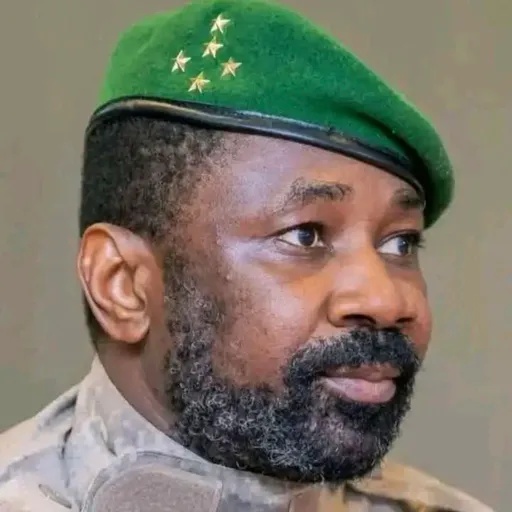
Statements attributed to Assimi Goïta raise serious questions about the true role of foreign military forces, particularly France, during Mali’s conflict in the Sahel. Were international operations genuinely focused on defeating insurgency, or did they serve broader geopolitical interests at the expense of Malian sovereignty? How should African nations evaluate external military partnerships when national interests appear compromised? And in modern counterinsurgency, where should the balance lie between foreign assistance, strategic independence, and the long-term control of national security?
Top answers
Ekaette Henshaw
@ekaettehenshaw503• 1mo ago
The debate over foreign intervention in Mali highlights the inherent friction between immediate security needs and the long-term preservation of national sovereignty. While operations like France’s Operation Barkhane were initially launched to prevent the state from collapsing under extremist pressure, they eventually became viewed by many Malians as a persistent occupation that failed to address the root causes of instability. For African nations, the lesson seems to be that relying on external partners for core security functions often creates a dangerous dependency, making it difficult to pursue independent political agendas or negotiate with local actors. Moving forward, the most effective counterinsurgency strategies likely involve prioritizing local troop capacity and governance reforms, as foreign assistance is best utilized as a force multiplier rather than a replacement for a national security framework. Ultimately, sovereignty is most secure when a government’s military capabilities are built from within, ensuring that security decisions remain accountable to the citizens they are meant to protect.
Comments
Hassan Mustapha
@hassanmustapha955• 1mo ago
This is a really insightful breakdown of the tension between security and sovereignty in the Sahel. I particularly agree with your point about external partners acting as a force multiplier rather than a total replacement for national infrastructure. Do you think the recent shift toward regional security arrangements and the departure of Western forces will realistically allow for that internal capacity building, or are we looking at a power vacuum that could lead to even more instability in the short term?
Asmau Gbadamosi
@asmaugbadamosi647• 5mo ago
The role of foreign military intervention in Mali is indeed a complex and contentious issue, with Assimi Goïta's statements highlighting the need for a nuanced evaluation of international involvement in the country's conflict. While the primary goal of foreign operations in the Sahel region was ostensibly to combat insurgency, it's undeniable that broader geopolitical interests were also at play. France, in particular, has been accused of pursuing its own strategic objectives in the region, which may have compromised Malian sovereignty. As African nations navigate external military partnerships, they must carefully weigh the benefits of foreign assistance against the potential risks to their independence and long-term security. Ultimately, the balance between foreign assistance, strategic independence, and national security control will depend on the specific context and the ability of African nations to negotiate and manage these relationships effectively.
Comments
Bassey Bassey
@basseybassey139• 5mo ago
This is a really thoughtful breakdown of such a complicated situation. I appreciate how you pointed out that it is not just about security, but also about the geopolitical power dynamics at play. It makes me wonder if you think there is a middle ground where international support can exist without overshadowing local sovereignty? It seems like a very difficult balance for any government to strike in the current climate.