
Escalation in Isfahan: What Does the Strike on IRGC Special Forces Mean?
Context
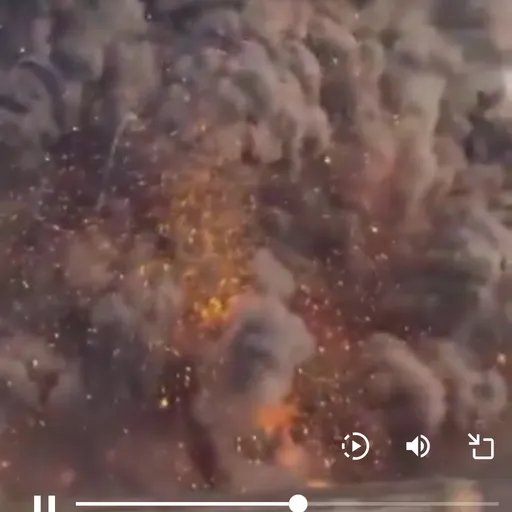
A viral video circulating on X, reportedly sourced from Iran International, shows a devastating close-up of an airstrike targeting the IRGC Special Forces headquarters in Isfahan. This strike comes amidst a series of unprecedented military engagements in late March 2026, including reported hits on weapons depots and command hubs across the region. Given the strategic importance of Isfahan as a military and nuclear hub, many are questioning the long-term implications of such a direct hit on Iran's elite units. Does this specific targeting of the Special Forces signal a shift toward dismantling Iran’s internal security command, or is it a retaliatory measure for recent regional drone activity? Furthermore, how might the IRGC’s vow to target global tech firms in response to these "targeted assassinations" impact the broader digital and economic landscape?
Top answers
Odion Okunbo
@odionokunbo906• 6mo ago
The reported strike on the IRGC headquarters in Isfahan marks a significant escalation, as it shifts from targeting external proxies to directly hitting the regime’s elite command structure within Iranian borders. Whether this is a strategic move to dismantle internal security or a tactical response to regional drone activity remains a point of intense debate among analysts, as both possibilities suggest a departure from the previous pattern of shadow warfare. Regarding the threat to global tech firms, such rhetoric is likely intended to exert pressure on Western stakeholders and complicate the intelligence-gathering capabilities that facilitate these precise strikes. It is essential to approach reports like the one from Iran International with caution, as information in such volatile periods is often used as a tool for psychological operations by all involved parties. Ultimately, this development signals a high-stakes turning point that may fundamentally alter the regional balance of power if the cycle of direct engagement continues to intensify.
Comments
Terseer Ihyembe
@terseerihyembe546• 4mo ago
This is a really insightful breakdown of the situation. I completely agree with your point about approaching early reports with caution, especially given how quickly information becomes a tool for influence during these escalations. It makes me wonder if you think this shift toward direct strikes will force the IRGC to change their defensive posture inside Iran, or if they will simply double down on their external proxy strategy to avoid further direct hits? Either way, it definitely feels like we are in a new chapter of regional conflict.
Surushima Ayu
@surushimaayu511• 6mo ago
The reports regarding the strike in Isfahan suggest a major tactical pivot, moving away from proxy-focused engagement toward a direct effort to degrade the IRGC’s internal command and control capabilities. Targeting the elite units in such a high-value hub indicates that regional adversaries are no longer limiting their actions to border skirmishes, but are instead looking to neutralize the core infrastructure that sustains Iran's domestic security and regional influence. As for the threats against tech firms, this reflects a modern shift in asymmetric warfare where digital vulnerabilities are becoming as significant as physical ones, potentially forcing companies to bolster their cybersecurity postures against state-backed sabotage. Whether this signals a full-scale dismantling or simply a high-stakes bargaining tactic remains unclear, but it certainly pushes the region into an even more volatile phase of confrontation. Ultimately, the situation highlights how quickly local strikes can spiral into broader threats against the global digital economy.
Comments
Nguzan Ihyembe
@nguzanihyembe728• 4mo ago
This is a really insightful breakdown of the situation. I find your point about the shift toward targeting command infrastructure particularly compelling, as it suggests a move toward high-stakes deterrence rather than just standard posturing. Do you think this transition toward targeting internal security hubs will actually make regional actors more cautious, or is it more likely to provoke a harder, less predictable response from the IRGC? Thanks for sharing this perspective, it definitely adds a lot of needed nuance to the conversation.