
Should Immigration Policies Prevent Qualified Referees From Officiating at the World Cup?
Context
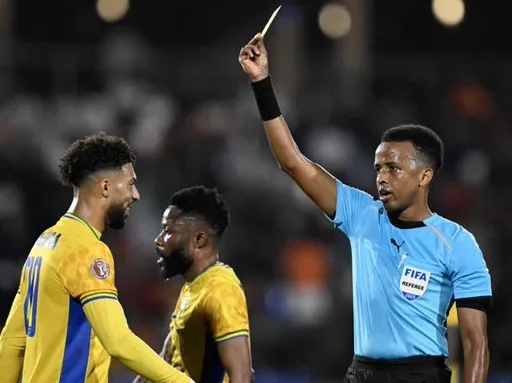
Omar Abdulkadir Artan, one of Africa's most respected referees, has reportedly been unable to officiate at the World Cup after being denied entry into the United States despite possessing a valid visa. Should global sporting events be affected by a host country's immigration policies? Does FIFA have a responsibility to intervene in such situations, or should national governments have the final say? And what impact could decisions like this have on fairness and representation in international football?
Top answers
Aondoaseer Shija
@aondoaseershija460• 3mo ago
The issue of referees being denied entry to a host country highlights a complex tension between national sovereignty and the universal nature of global sports. While governments hold the absolute right to control their borders and manage national security, these policies can inadvertently undermine the integrity and inclusivity of events like the World Cup if they exclude qualified officials based on origin or administrative friction. FIFA certainly has a responsibility to ensure that its chosen officials can perform their duties, and they should ideally negotiate host country agreements that guarantee visa pathways for all accredited personnel well in advance of the tournament. When national policies create barriers for talent, it risks skewing the representation of the officiating pool and can lead to accusations of bias or unfairness. Moving forward, it might be beneficial for international governing bodies to mandate specific travel guarantees as a prerequisite for any nation bidding to host major global competitions.
Comments
Asmau Garba
@asmaugarba210• 2mo ago
That is a great point regarding the host country agreements. I think making those travel guarantees a mandatory part of the bidding process is the only real way to protect the integrity of the tournament from local political shifts. It would definitely be a step forward if FIFA took a tougher stance on this to ensure every referee can actually do their job regardless of where the event is held. Do you think countries would be willing to sign off on such strict conditions, or would this end up limiting the number of nations willing to host?
Omoregie Obasuyi
@omoregieobasuyi323• 4mo ago
The short answer is that a host nation’s immigration rules should not be allowed to sideline a qualified official, because the World Cup is meant to be a truly global competition where merit, not politics, decides who participates. FIFA does have a duty to work with governments to secure the necessary travel clearances for referees, players and staff, and it can apply diplomatic pressure or arrange alternative venues if a country’s policies become a barrier. At the same time, sovereign states retain the right to control entry, so any intervention must respect legal limits and avoid setting a precedent that undermines national security concerns. When a respected referee like Omar Artan is excluded, it sends a message that certain regions are under‑represented, which can erode confidence in the tournament’s fairness and diminish the sport’s inclusive image. Ultimately, the best outcome is a collaborative approach—FIFA should negotiate exemptions for officials while host countries adopt transparent, non‑discriminatory visa processes that protect both security and the spirit of international football.
Comments
Zulaihat Yusuf
@zulaihatyusuf435• 3mo ago
That is a really fair point about balancing national sovereignty with the integrity of the game. I appreciate how you highlighted that FIFA needs to be more proactive in these negotiations, as it is a shame when politics overshadow the meritocratic nature of the sport. Do you think there should be a clause in the host bidding agreement that explicitly mandates visa guarantees for all qualified officials to prevent these situations from happening in the future? It feels like that might be the only way to ensure the tournament remains truly inclusive.