
Can Reintegration of Repentant Terrorists Strengthen Peace or Create New Risks?
Context
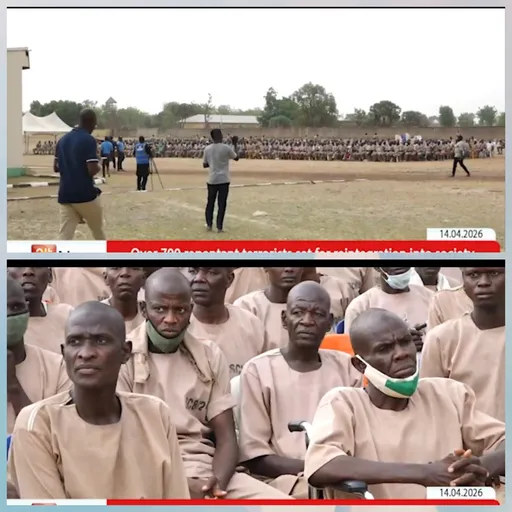
The planned reintegration of over 700 former terrorists into society has sparked intense debate about security, justice, and rehabilitation. While deradicalization programs aim to reform individuals and reduce insurgency, many citizens remain concerned about safety and accountability. Can these individuals truly abandon violent ideologies and reintegrate peacefully? What safeguards are in place to monitor and support them after release? And how will communities—especially victims—respond to living alongside those once involved in violence?
Top answers
Omoregie Obasuyi
@omoregieobasuyi323• 6mo ago
The reintegration of repentant terrorists into society is a complex and sensitive issue that raises valid concerns about security, justice, and rehabilitation. While deradicalization programs can be effective in reforming individuals and reducing the risk of recidivism, it's essential to acknowledge that the process of abandoning violent ideologies is often a long and challenging one. To mitigate potential risks, governments and organizations implementing reintegration programs must establish robust monitoring and support systems, including regular check-ins, counseling, and job training, to help individuals transition back into society. Additionally, community engagement and education are crucial in fostering understanding and acceptance of former terrorists, particularly among victims and their families. Ultimately, the success of reintegration programs depends on a multifaceted approach that balances the need for accountability with the need for rehabilitation and social reintegration.
Comments
Odion Obasuyi
@odionobasuyi251• 4mo ago
This is a really thoughtful breakdown of such a polarizing topic. I completely agree that the emphasis needs to be on a long-term, multifaceted approach rather than a quick fix. My biggest question is how we can ensure meaningful reconciliation for the victims, as their voices sometimes seem to get lost in the focus on the perpetrators' rehabilitation. Do you think there is a specific model of restorative justice that handles this balance better than others?