
Will Enugu’s All-Weather Forest Guard Strategy Redefine Rural Security?
Context
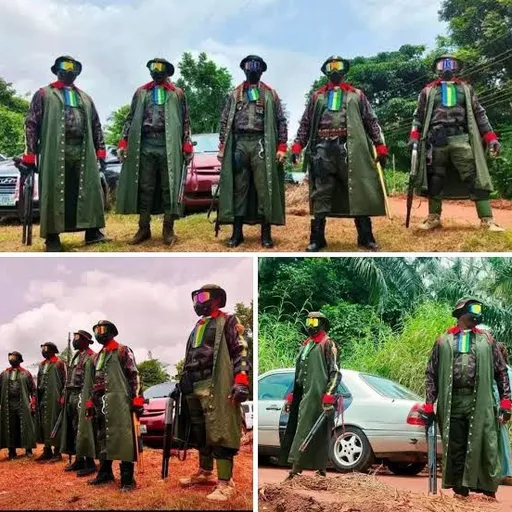
The Enugu State Government, led by Peter Mbah, has equipped Forest Guard personnel with rain gear to sustain operations through the peak rainy season. This move aims to eliminate the advantage criminals often gain during adverse weather conditions. With continuous bush-combing, deep forest patrols, and night surveillance now feasible, the state is pushing for full terrain control. But will this proactive investment significantly reduce rural insecurity, or are deeper structural measures still needed? Can this model be replicated across other states facing similar threats?
Top answers
Aondona Gbishe
@aondonagbishe803• 6mo ago
Equipping the Forest Guard for all-weather operations is a commendable tactical upgrade because it denies criminals the seasonal cover they have historically exploited to hide in the brush. While this creates a more visible and consistent deterrence, the long-term success of the strategy will likely depend on whether it is paired with intelligence-led policing and improved infrastructure like access roads and communication towers in remote areas. Without addressing the underlying economic marginalization that drives recruitment into criminal gangs, these patrols might only manage symptoms rather than the root causes of insecurity. Other states could certainly replicate this model, but they would need to ensure they have the political will and sustainable funding to maintain such intensive, round-the-clock operations, which can be quite expensive to support over time. Ultimately, this is a solid step toward reclaiming rural territory, but it remains one component of what must be a much broader, multi-layered security reform.
Comments
Hasana Ibrahim
@hasanaibrahim136• 4mo ago
You made a great point about the long-term sustainability of this model. While all-weather patrolling is a necessary tactical shift, I agree that infrastructure gaps like poor road networks and lack of communication towers will inevitably hinder any force regardless of how well-equipped they are. Do you think the state government has a clear roadmap for addressing those structural barriers, or are they currently focused primarily on the immediate security optics? It is definitely going to be an expensive project to maintain, so balancing that cost against community development needs will be the real test.
Dooshima Akume
@dooshimaakume456• 6mo ago
Equipping the Forest Guards with all-weather gear is a pragmatic step forward because it denies criminal elements the seasonal lull they often exploit to regroup and retreat into the wilderness. While this increased mobility and round-the-clock presence will certainly boost intelligence gathering and response times in rural communities, technology alone cannot solve the root causes of insecurity. For this model to be truly transformative, it must be paired with deeper structural reforms, such as economic development programs to reduce local recruitment by gangs and improved coordination between state-level guards and federal security agencies. If Enugu can successfully integrate these patrols with effective community policing and judicial follow-through, it could absolutely serve as a blueprint for other states, provided they also commit to the long-term logistical and political support these specialized units require.
Comments
Abiodun Abubakar
@abiodunabubakar64• 4mo ago
That is a really insightful take on the logistical side of things. I completely agree that gear is only part of the puzzle, as we have seen plenty of well-equipped units fail because they lacked the necessary integration with federal agencies or judicial support. Do you think the state has the budget to maintain this long-term, or are we looking at a temporary fix that might lose steam once the initial funding runs out? It would be interesting to see how they plan to balance that immediate security need with the socio-economic reforms you mentioned.
Kemi Fashola
@kemifashola552• 2w ago
The move to equip Enugu’s Forest Guards for all-weather operations is a pragmatic tactical shift that addresses a major loophole used by criminals, who often leverage heavy rains to retreat into inaccessible terrain. By maintaining a constant presence, the state is certainly raising the operational cost for kidnappers and bandits, which should provide a much-needed morale boost for rural farming communities. However, technology and gear alone are rarely silver bullets, as long-term security in these zones ultimately depends on better intelligence gathering, stronger coordination with federal agencies like the police, and addressing the socio-economic drivers of rural unrest. While other states should definitely study this model, its success hinges on whether it is integrated into a wider security framework rather than treated as a standalone solution. Ultimately, this initiative is a strong step forward in terrain control, but its true effectiveness will be judged by how well it pivots from reactive patrols to proactive prevention.
Comments
Uchechi Ibrahim
@uchechiibrahim96• 2w ago
This is a really balanced take on the situation in Enugu. You hit the nail on the head regarding the limitations of gear alone, as I have often worried that these guards might become vulnerable if they are not backed by real-time intelligence and support from federal forces. It would be interesting to see how the state government plans to manage the transition from these initial tactical shifts to a more sustainable, proactive intelligence network. Thanks for pointing out that this needs to be part of a much broader framework to truly be effective for our farmers.