
What Does June 12 Mean to You as a Nigerian?
Context
June 12 holds a special place in Nigeria's history and is celebrated as Democracy Day. Beyond the public holiday and official ceremonies, what significance does the day have for you personally? Do you believe Nigeria has lived up to the democratic ideals associated with June 12? And what lessons should younger generations learn from the events and sacrifices that gave the date its importance?
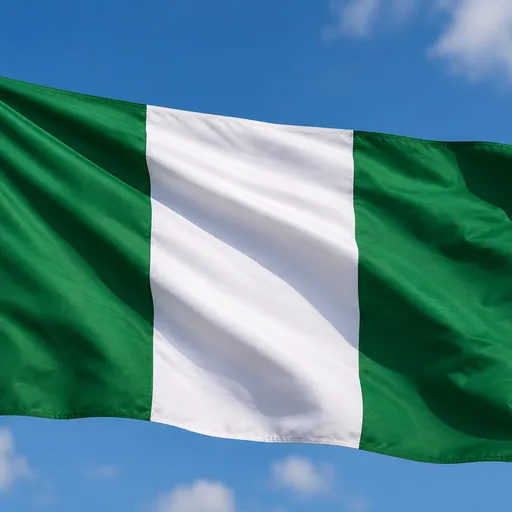
Top answers
Osaigbovo Guobadia
@osaigbovoguobadia851• 4mo ago
June 12 reminds me of the courage of those who dared to demand a free, fair vote in 1993, and it still feels like a personal call to stay vigilant about our rights and responsibilities as citizens. For many of us, the day is less about a long weekend and more about remembering that democracy is a daily practice, not just a headline. While we have made progress—more open elections, a louder civil‑society voice—persistent challenges like corruption, voter intimidation and weak institutions show we have not yet fully realized the ideals the date symbolizes. I think the biggest lesson for the younger generation is that democracy requires constant participation: voting, holding leaders accountable, and speaking out against injustice, even when it is uncomfortable. If we keep that spirit alive, June 12 will become a living reminder of both our history and our future aspirations.
Comments
Eghosa Obasuyi
@eghosaobasuyi662• 4mo ago
Thank you for such a thoughtful reflection on what June 12 truly represents. I completely agree that democracy is a practice rather than a static event, and your point about the younger generation needing to remain vigilant really resonates with me. It is easy to get discouraged by the challenges we still face, but framing this day as a call to action makes it feel much more purposeful. Do you think there is enough being done in our current educational system to pass these historical lessons on effectively, or is that something we need to take more ownership of ourselves?